Accessibility statement
What standard this site is built to, what we have verified, what we know is imperfect, and how to tell us when something blocks you.
Last updated 4 August 2026
Our commitment
We build this site to meet WCAG 2.2 Level AA. We treat accessibility as part of design quality rather than a compliance pass at the end, because the same decisions that make a page usable with a keyboard or a screen reader also make it easier for everyone else.
This statement describes the real state of the site — including where it falls short — rather than claiming compliance we have not verified.
What we have built in
Across every template:
- Semantic landmarks and one ordered heading hierarchy per page, so a screen reader can navigate by structure.
- Visible focus indicators on every interactive element, never removed for aesthetics.
- Full keyboard operation for navigation, filters, accordions, tabs, sliders and forms.
- Text contrast at 4.5:1 or better for body copy and 3:1 for large text, measured rather than assumed.
- Touch targets of at least 44 by 44 pixels on mobile.
- Form inputs with persistent labels, error messages that name the field and the fix, and errors announced rather than only coloured.
- Descriptive alt text on informational images, and empty alt on decorative ones.
- Information never carried by colour alone — severity, status and state all have a text or shape equivalent.
- A prefers-reduced-motion path for every animation, including scroll-driven sequences.
- A minimum 16px font size on form inputs, which also prevents iOS zooming the viewport on focus.
Known limitations
We would rather list these than let you find them.
- Audit teardown videos are hosted on YouTube and do not all have human-checked captions. Every audit page carries the full written analysis, so no finding is available only in the video.
- Some before-and-after comparison sliders are drag-operated. They are keyboard operable, but the two images are also shown separately further down the same page for anyone who would rather not use the slider.
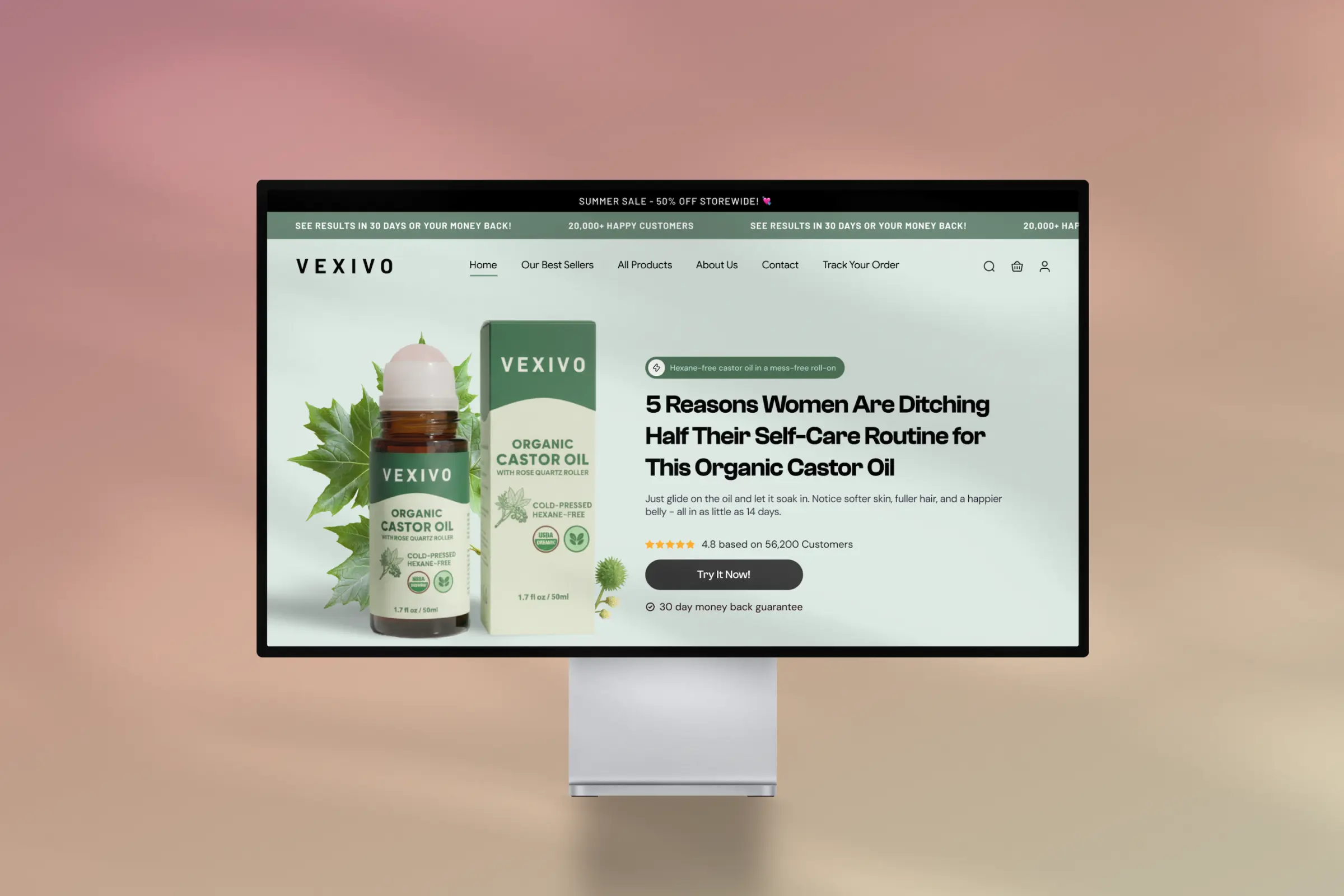
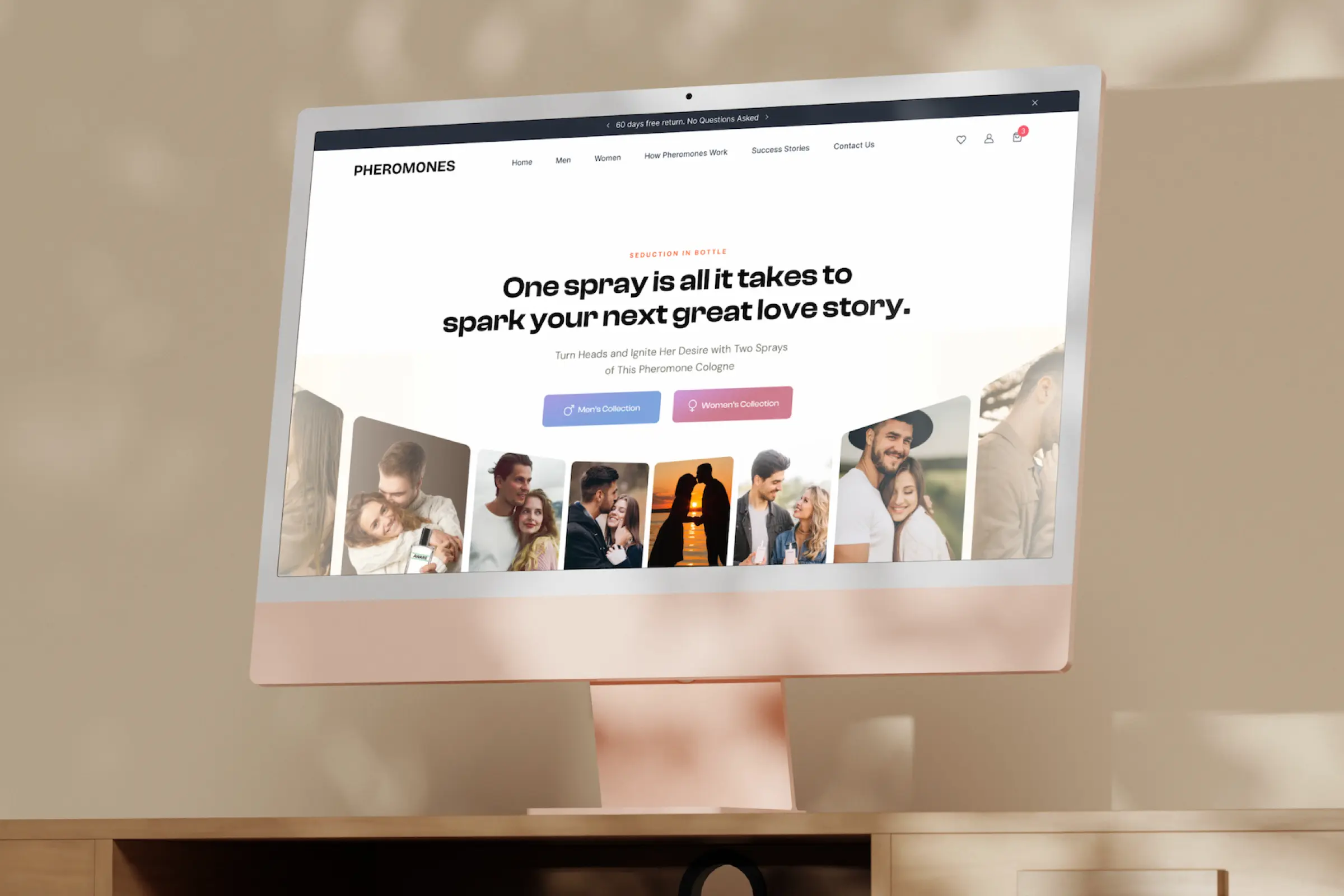
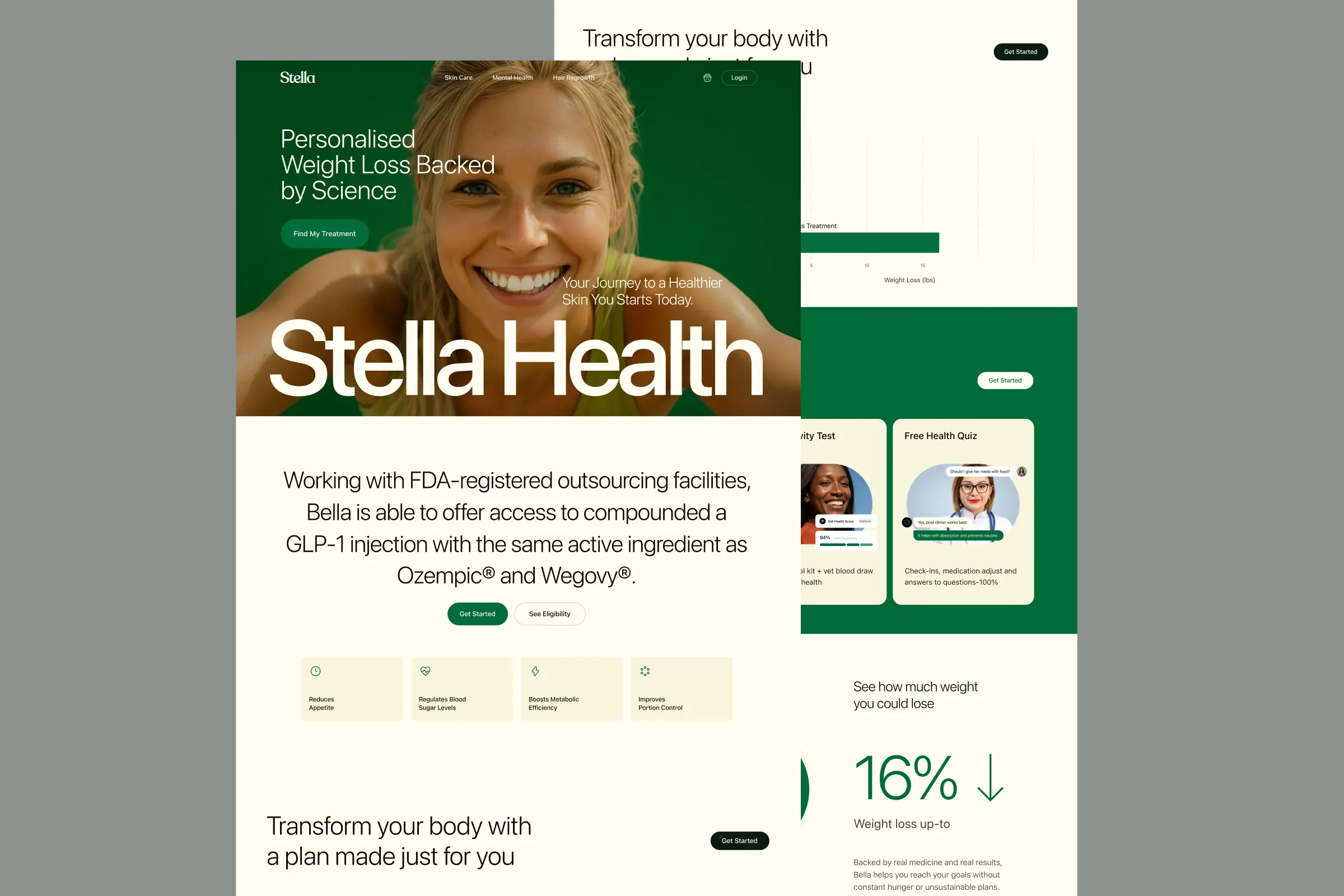
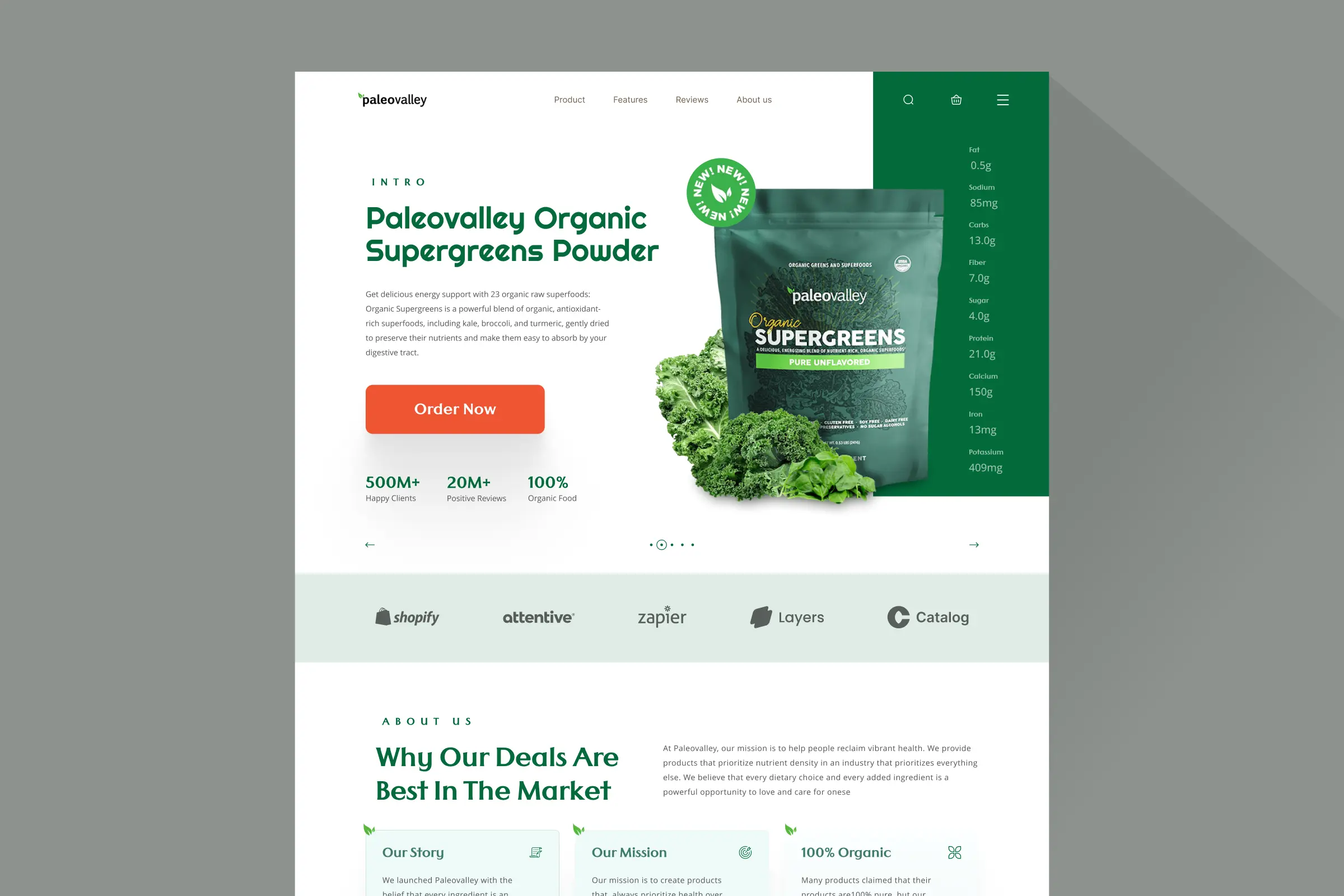
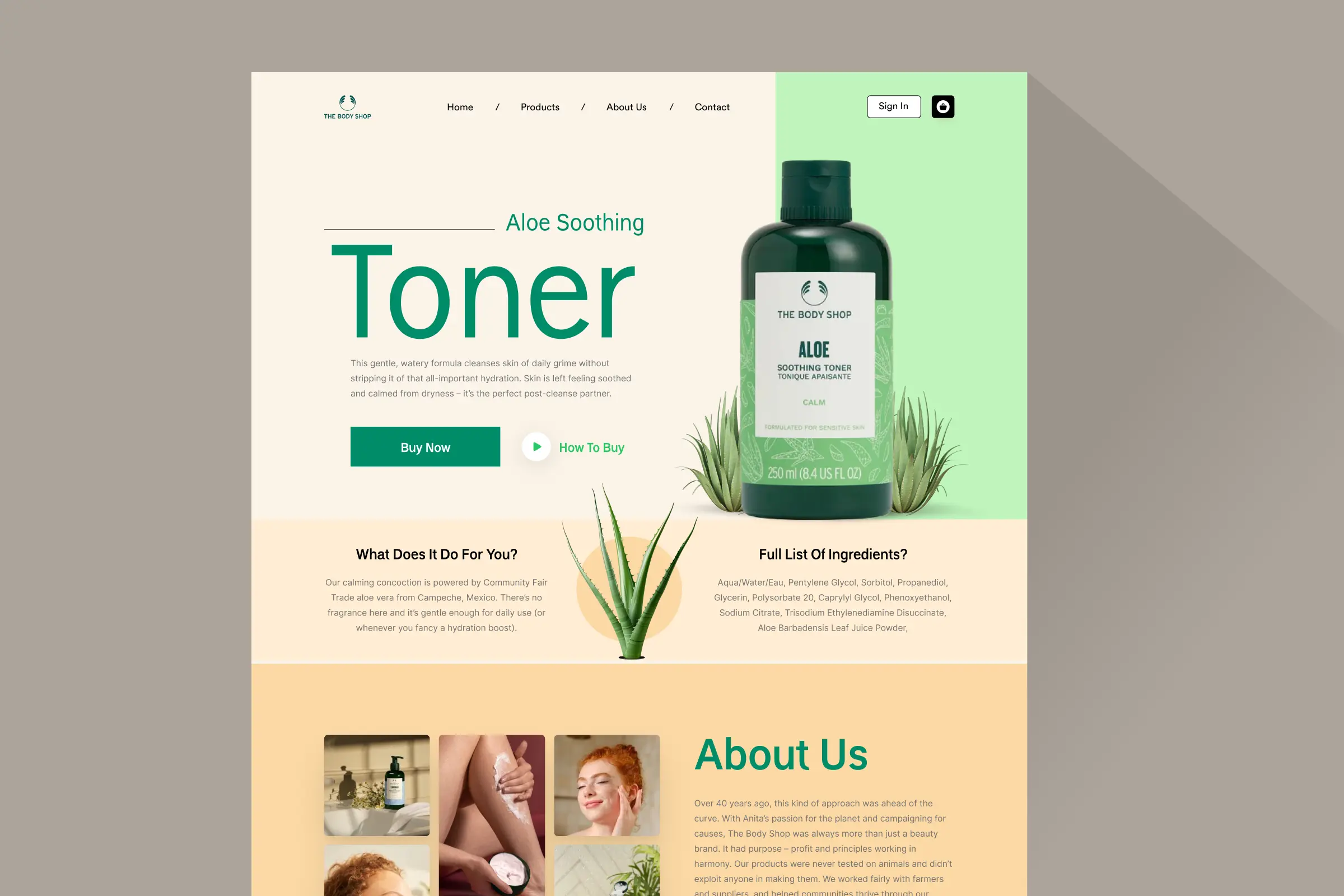
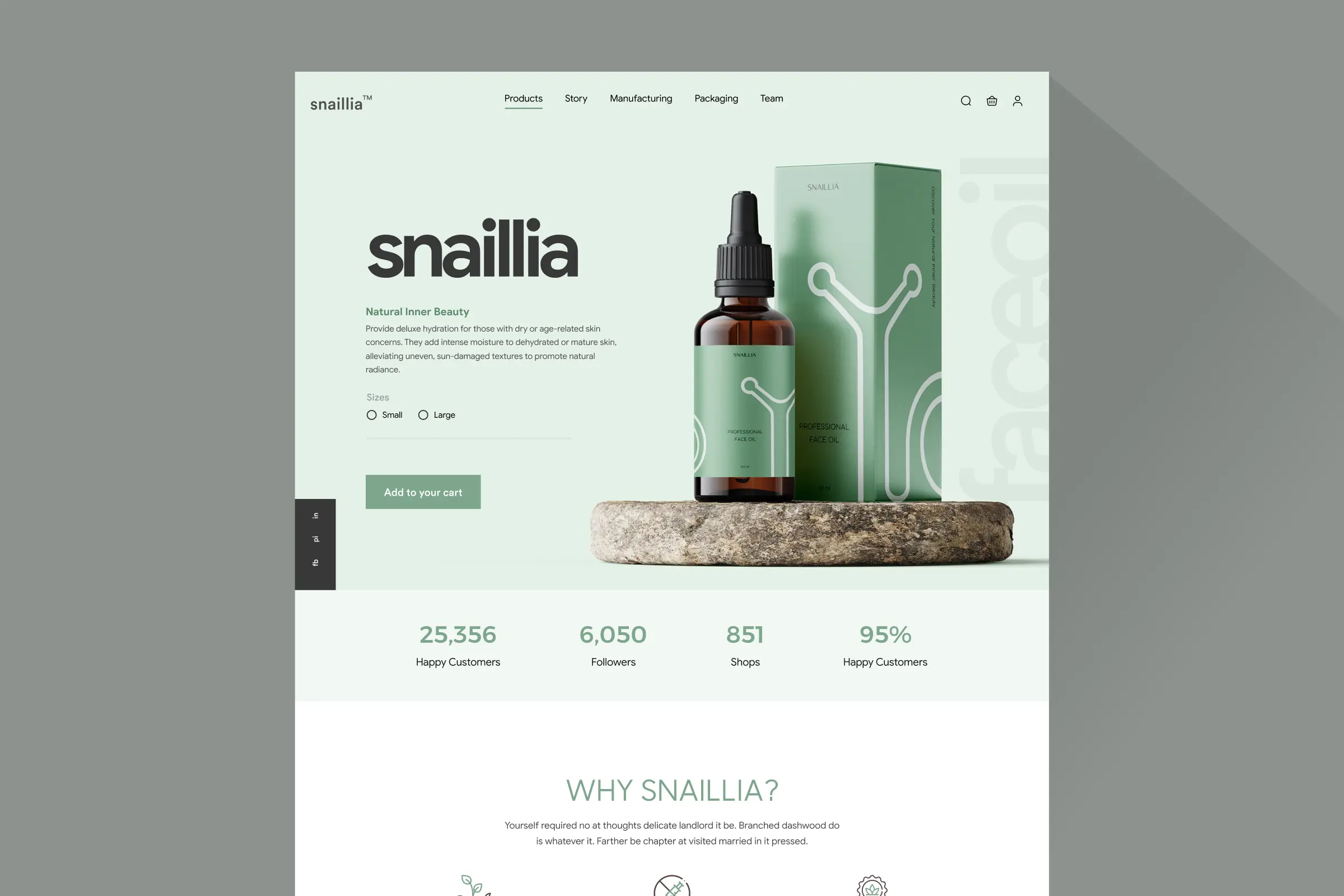
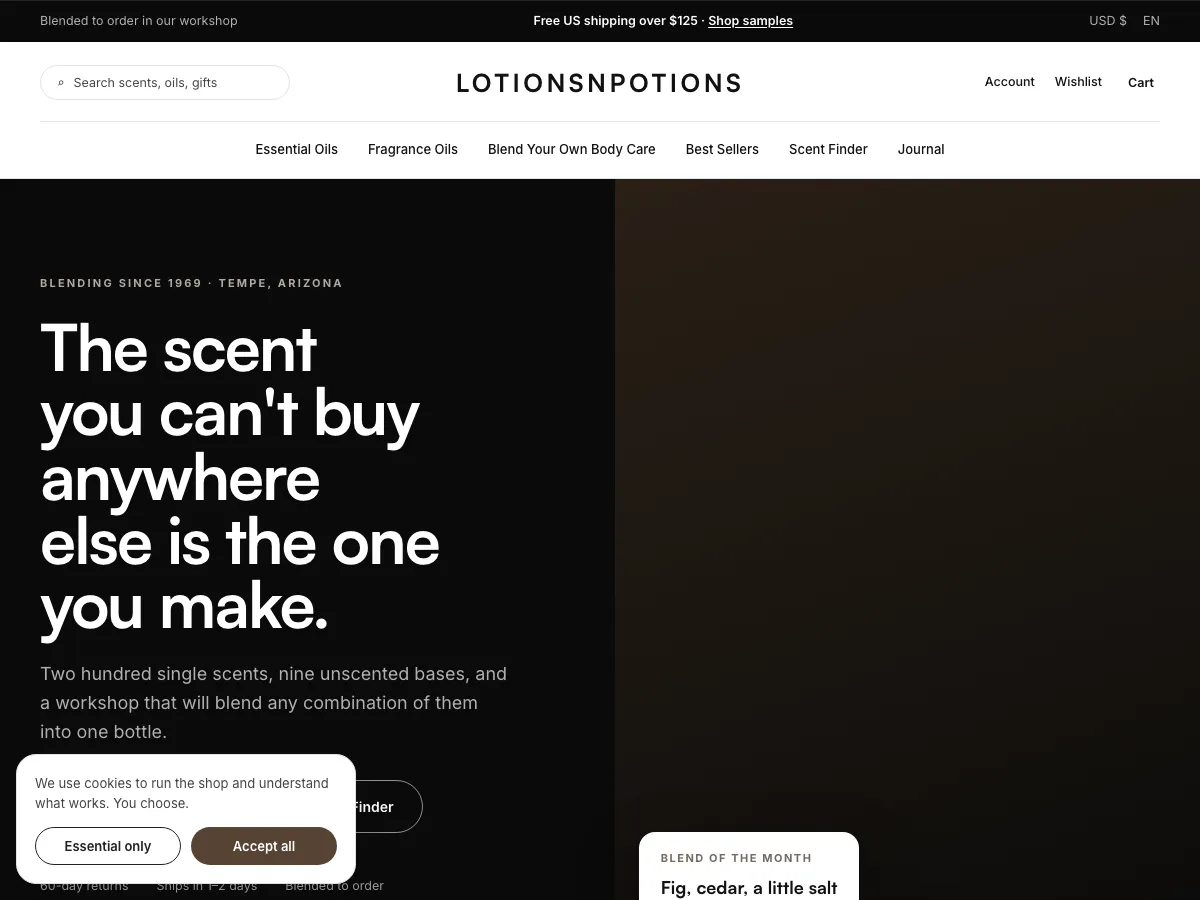
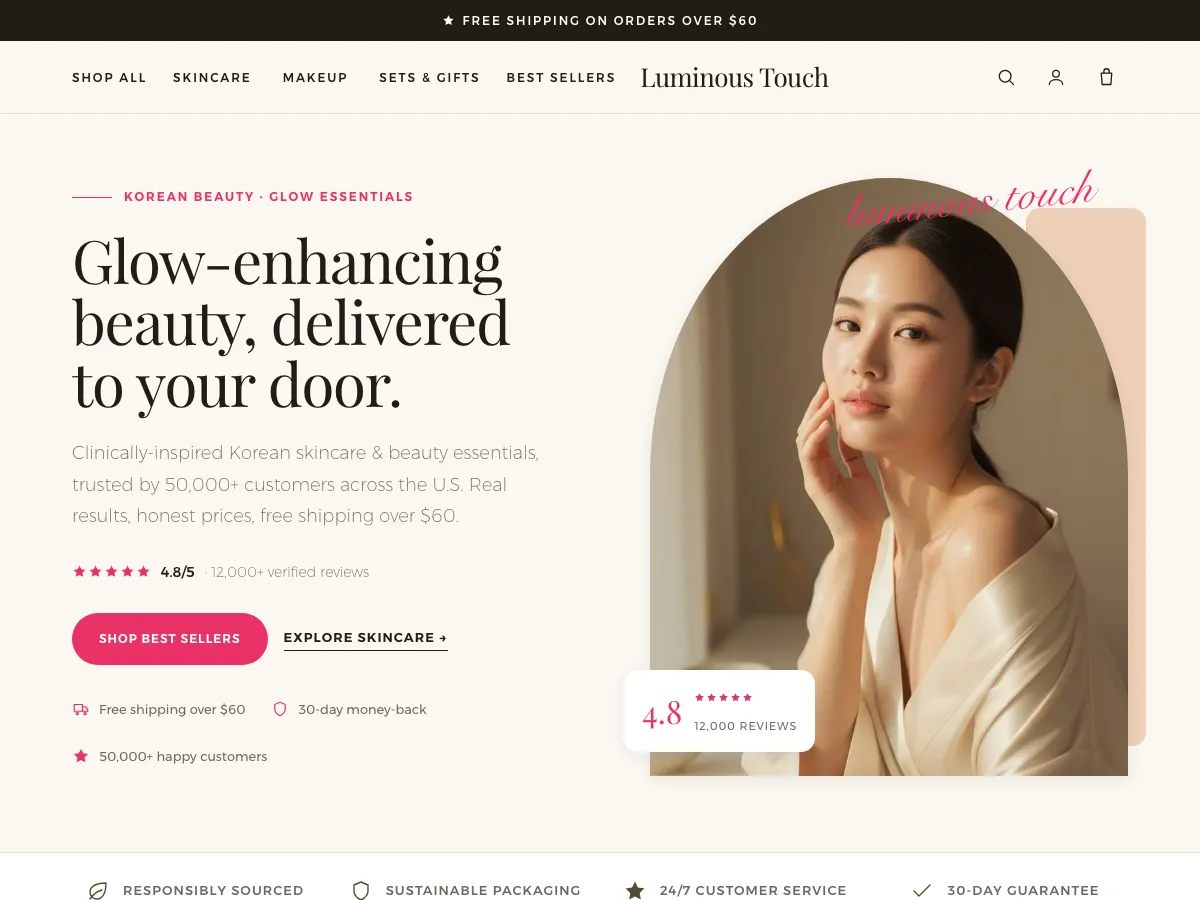
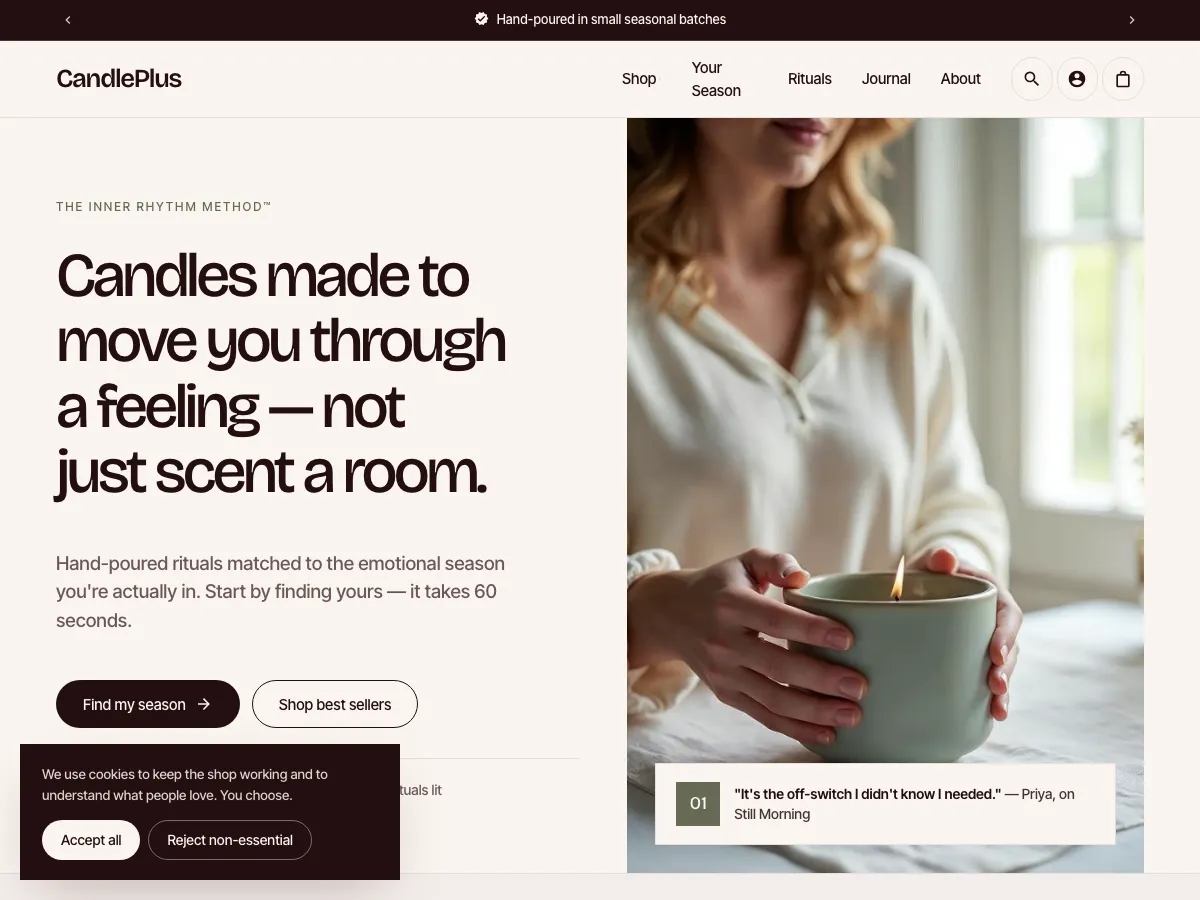
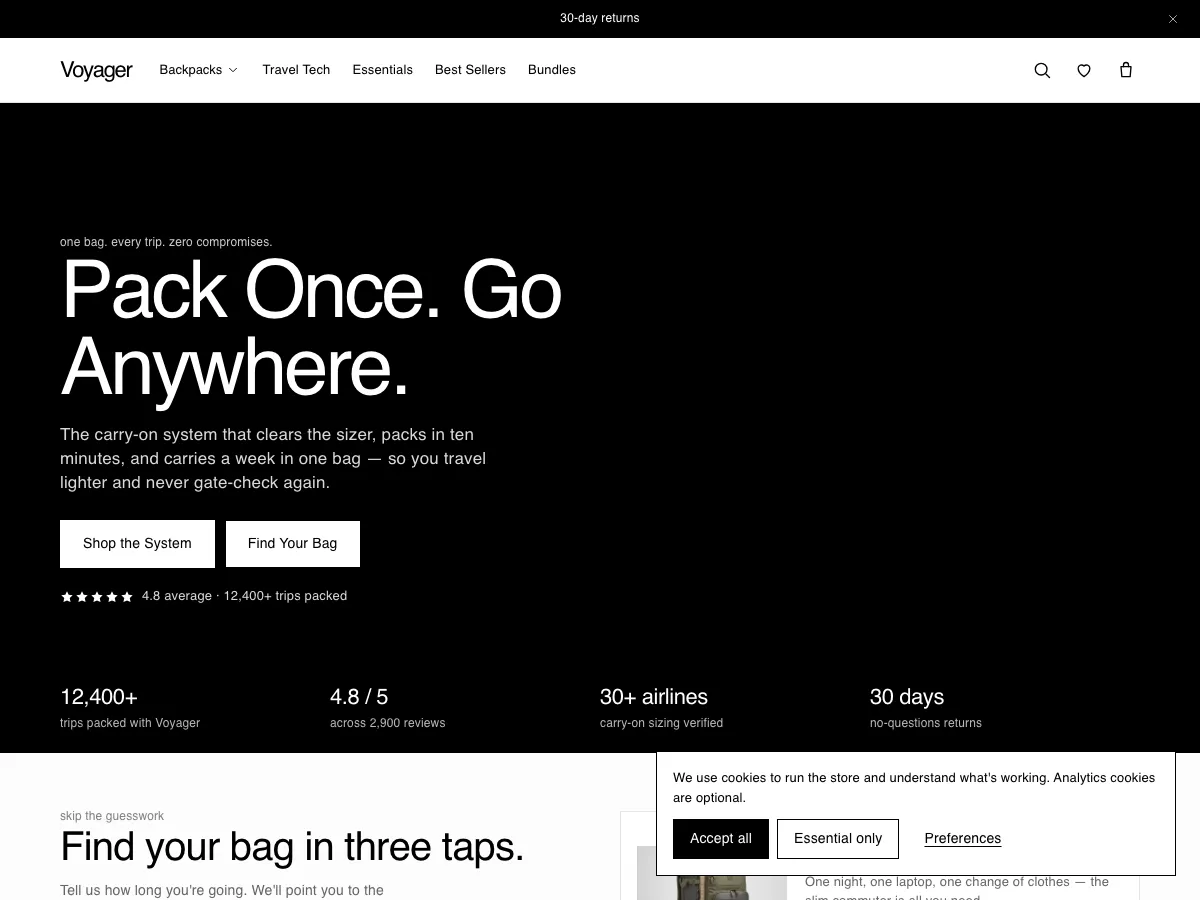
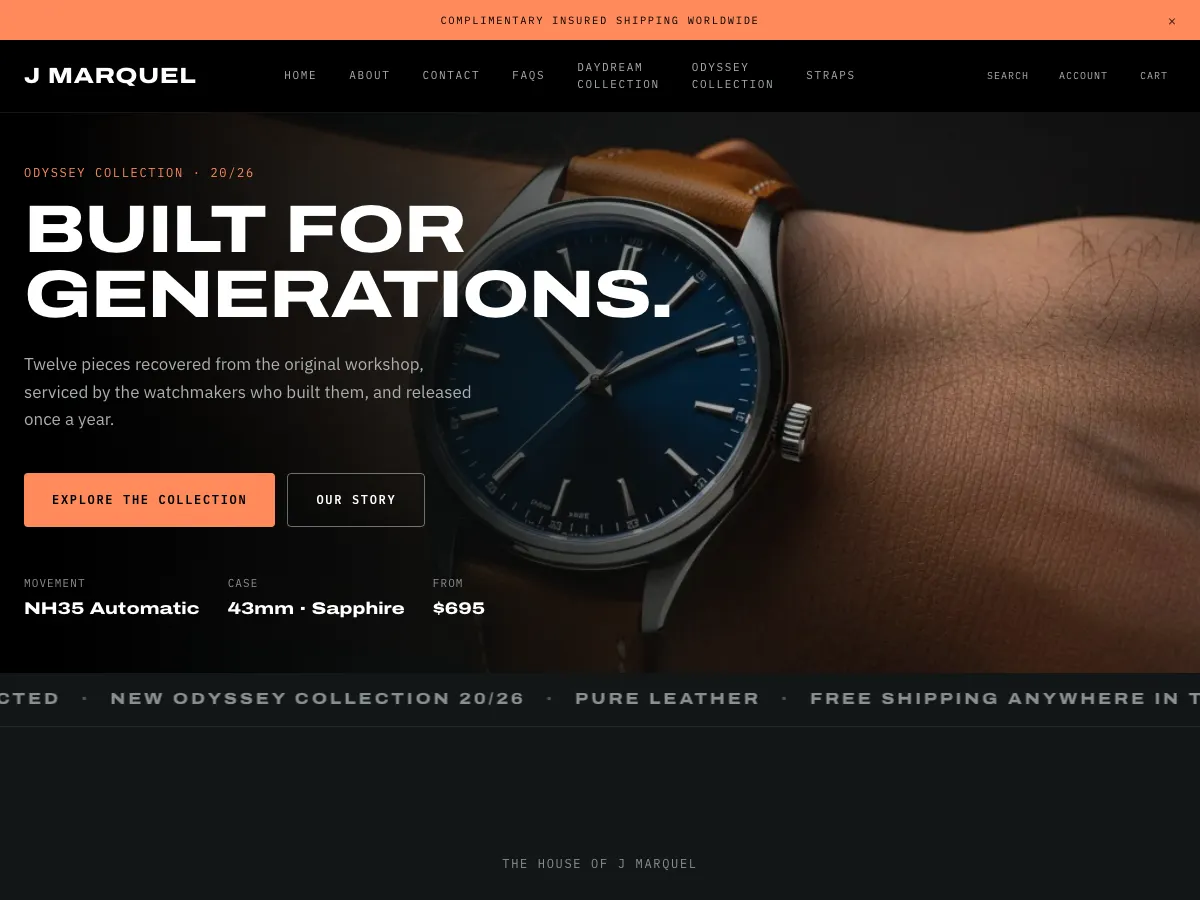
- A small number of client screenshots contain text inside the image. The surrounding copy describes what the screenshot shows.
- Third-party embeds — video and scheduling — are not fully within our control and may not meet the same standard as the rest of the site.
How we test
Automated checks on every template plus manual testing: keyboard-only navigation of each page type, screen-reader passes with VoiceOver and NVDA on the primary conversion paths, contrast measurement on every colour pairing in the system, and testing at 200% zoom and 320px width.
Automated tools catch perhaps a third of real problems, so manual keyboard and screen-reader testing is the part we do not skip.
Tell us when something blocks you
If any part of this site prevents you from doing what you came to do, email hello@converticastudio.com with the page and what happened. We aim to reply within two business days and to fix genuine barriers rather than argue about severity.
If you need information that is on this site in another format — a transcript, a plain-text version of an audit, a document instead of a video — ask and we will send it.
Scope of this statement
This statement covers converticastudio.com. It does not cover client stores we have worked on, the Shopify demo stores linked from theme pages, or third-party services we link to.
Where we build for clients we apply the same standard, but the published state of a client store is theirs to maintain.
Something here unclear, or you need a copy of what we hold? Write to hello@converticastudio.com and we'll answer within one business day. Prefer a form? The contact page reaches the same inbox.