



1–3 weeks
Single build
One piece of functionality, specified and shipped.
- Scoped from a written brief
- Built in your theme
- Documented and handed over
- Thirty-day defect window
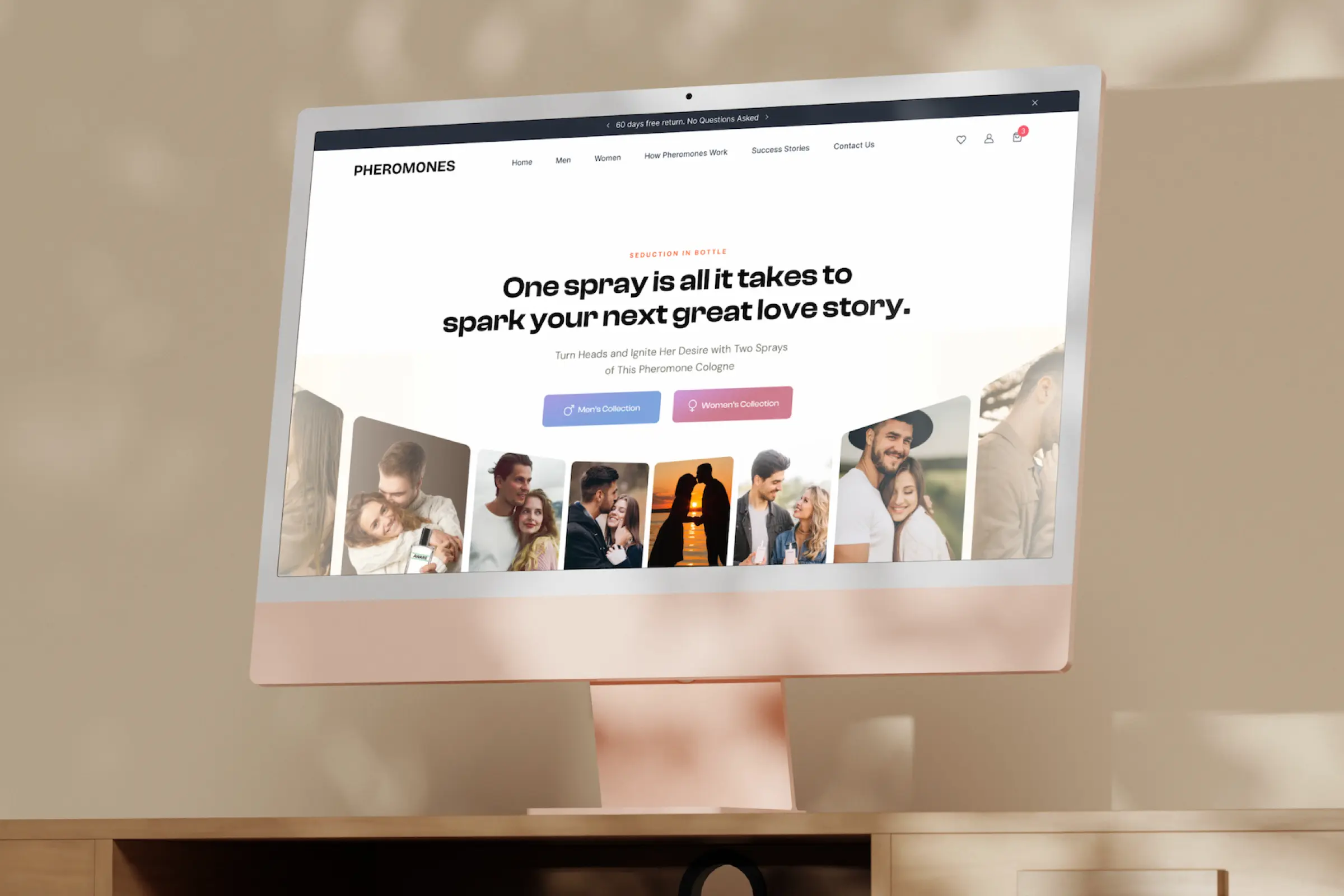
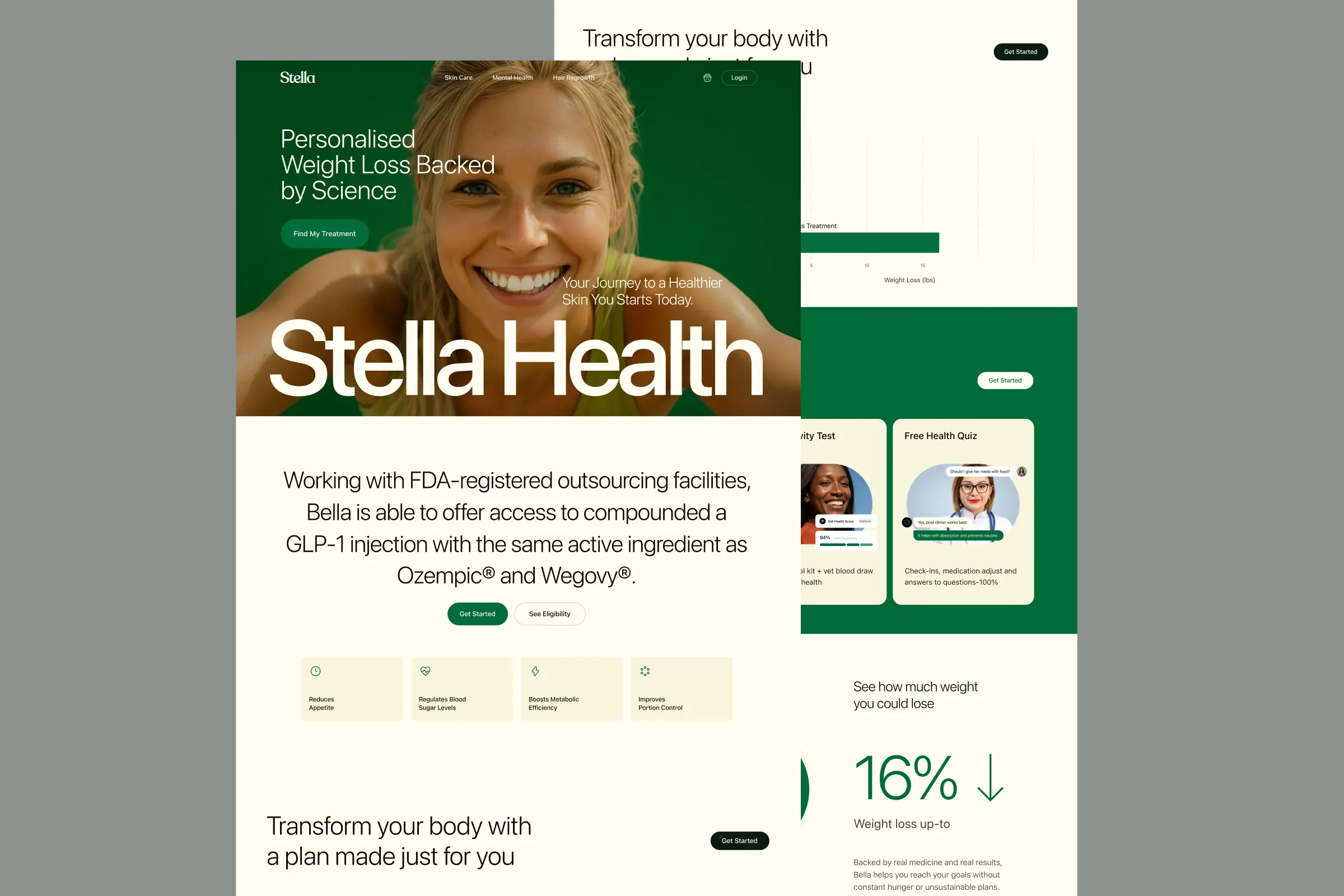
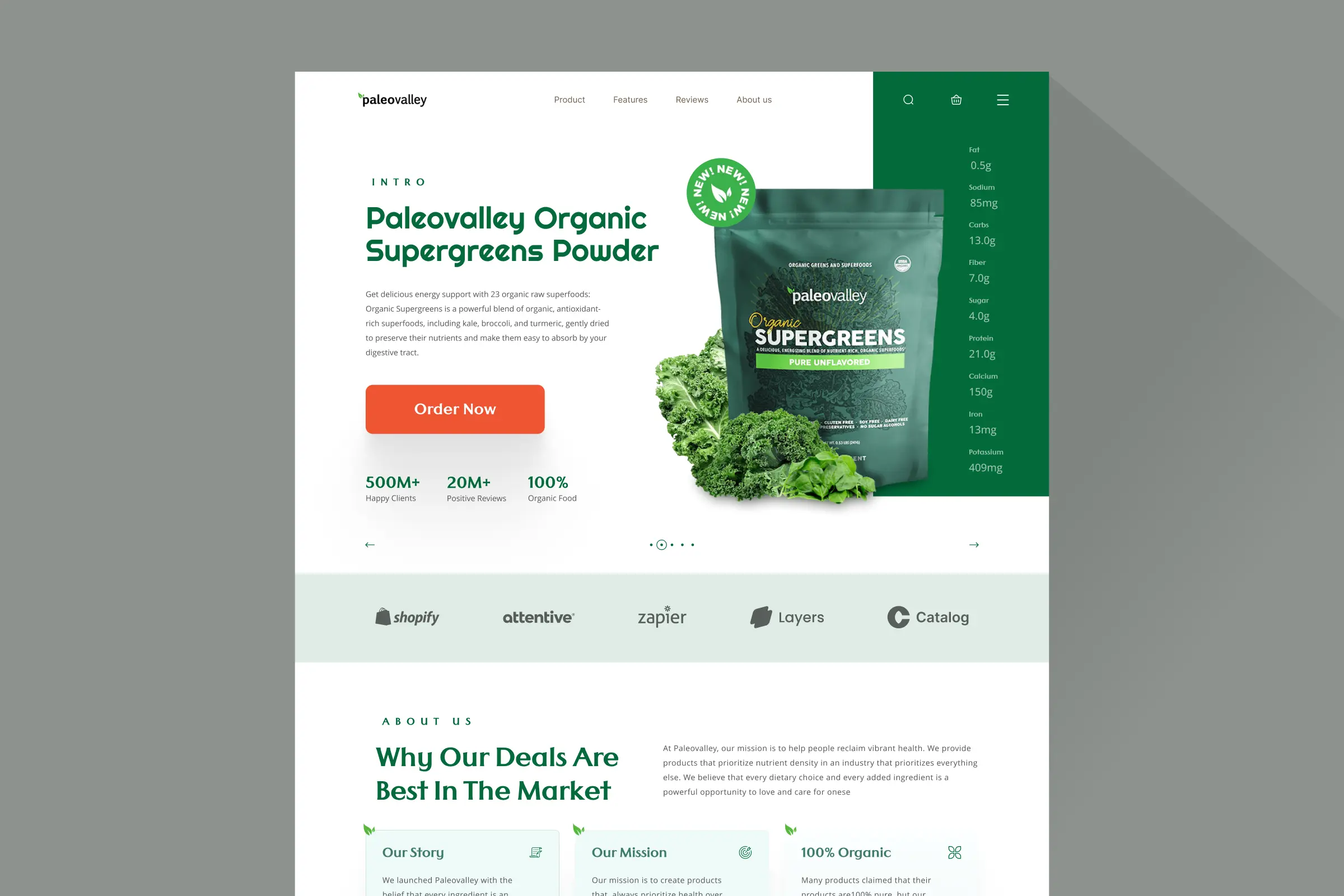
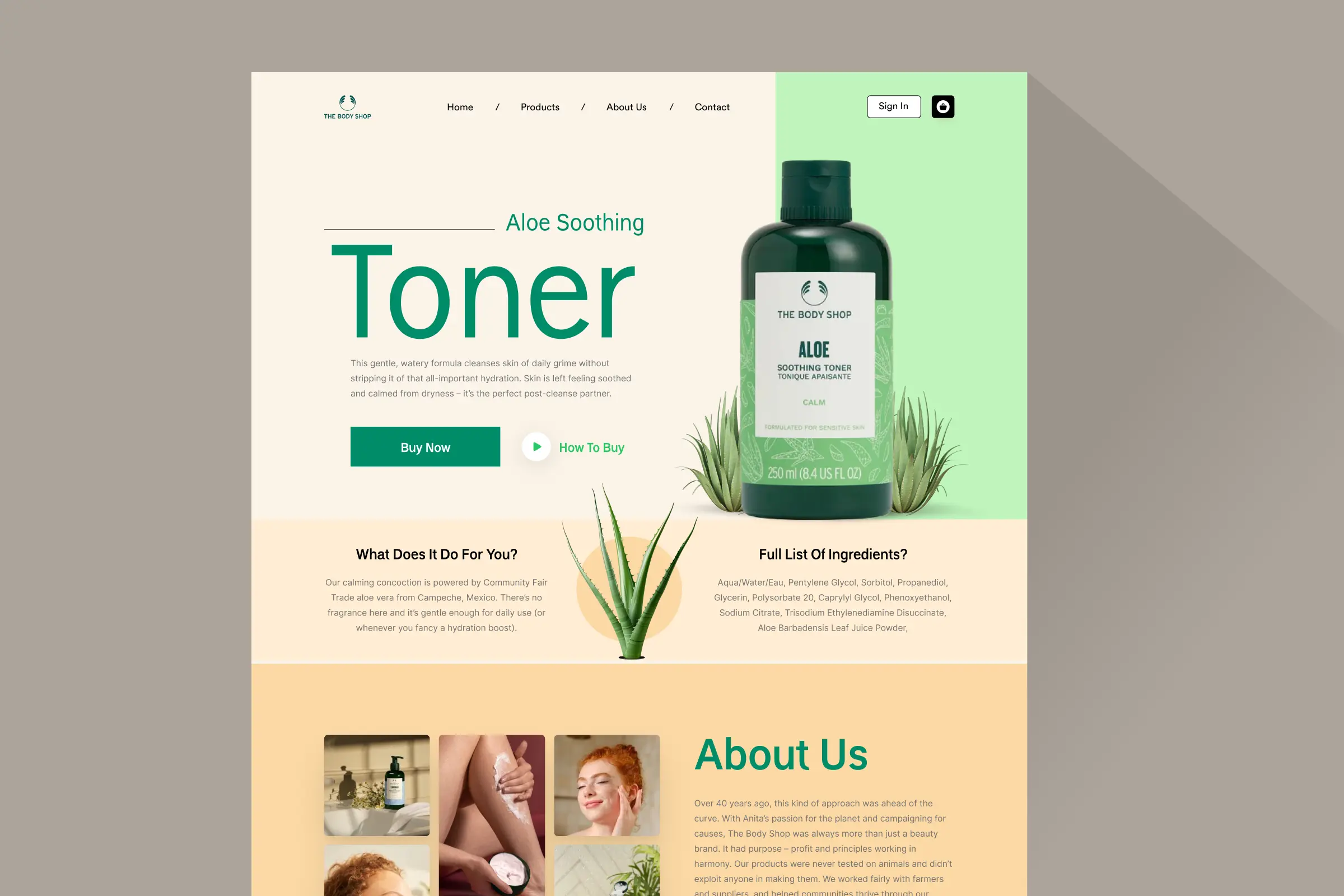
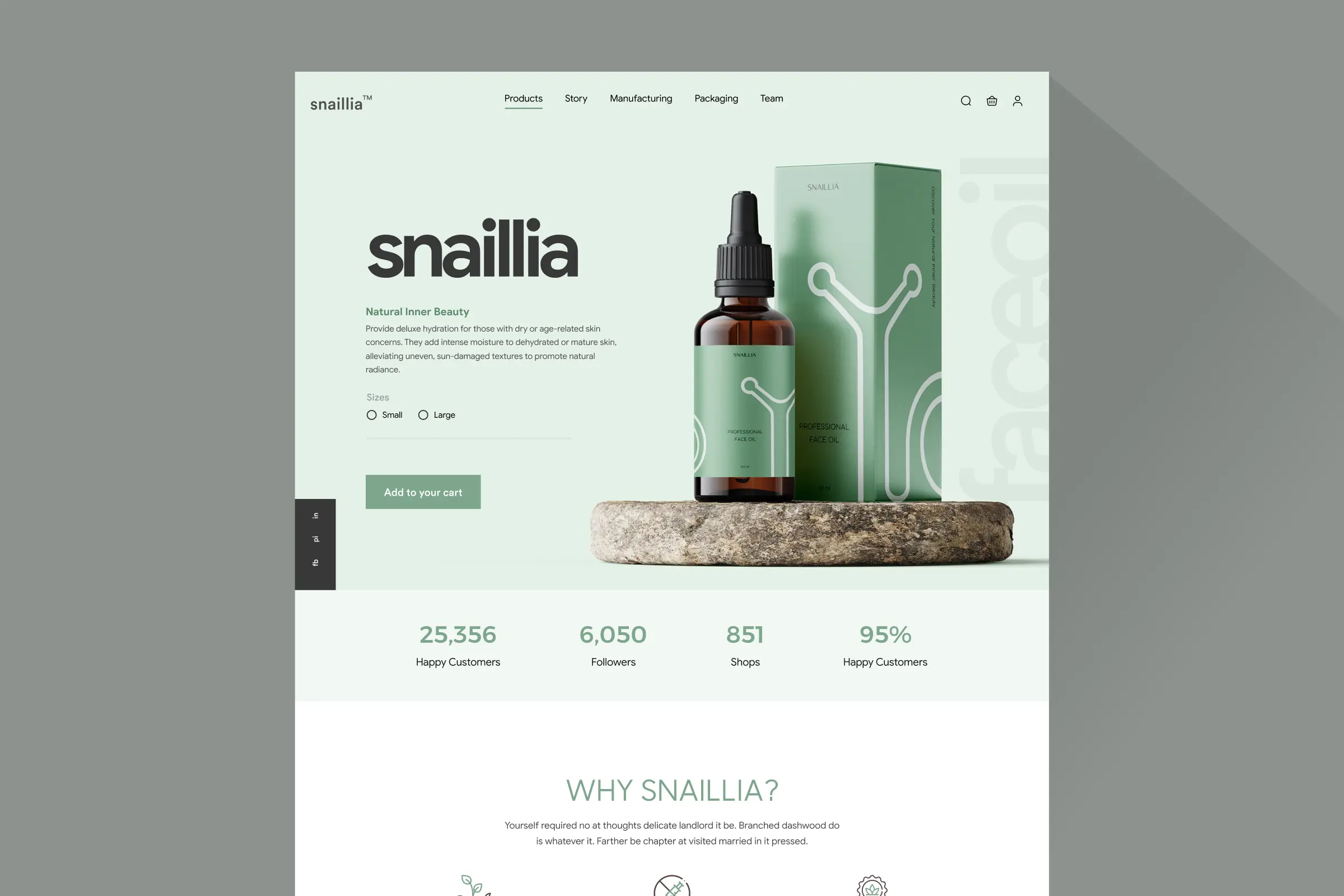
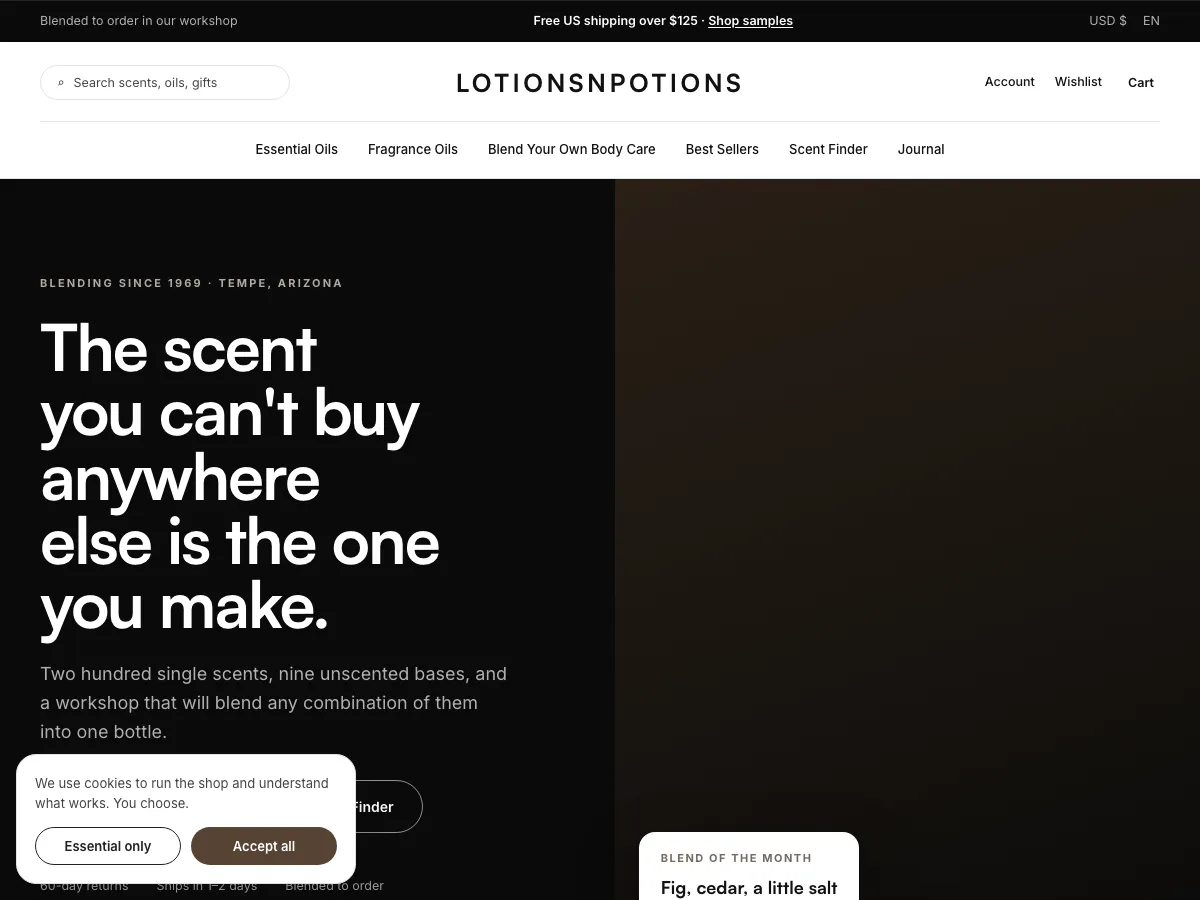
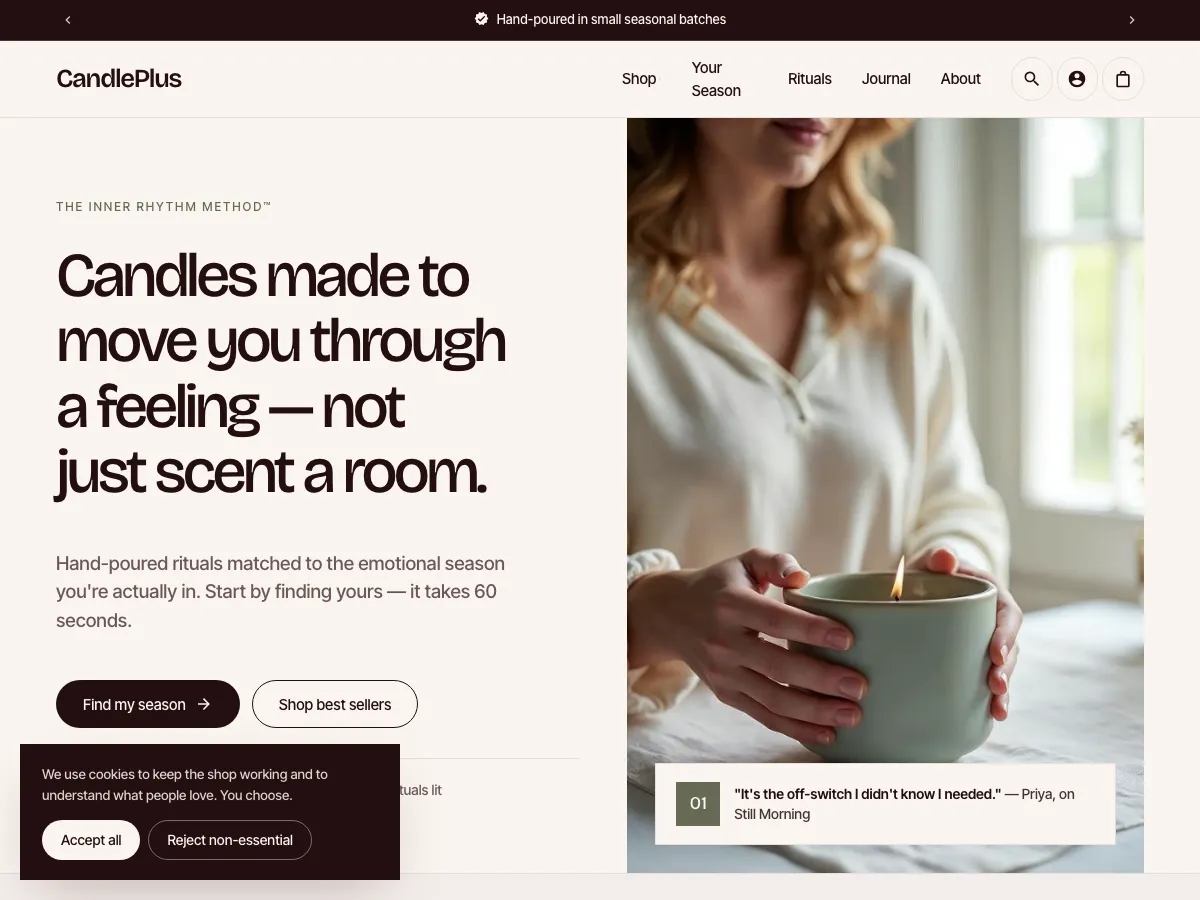
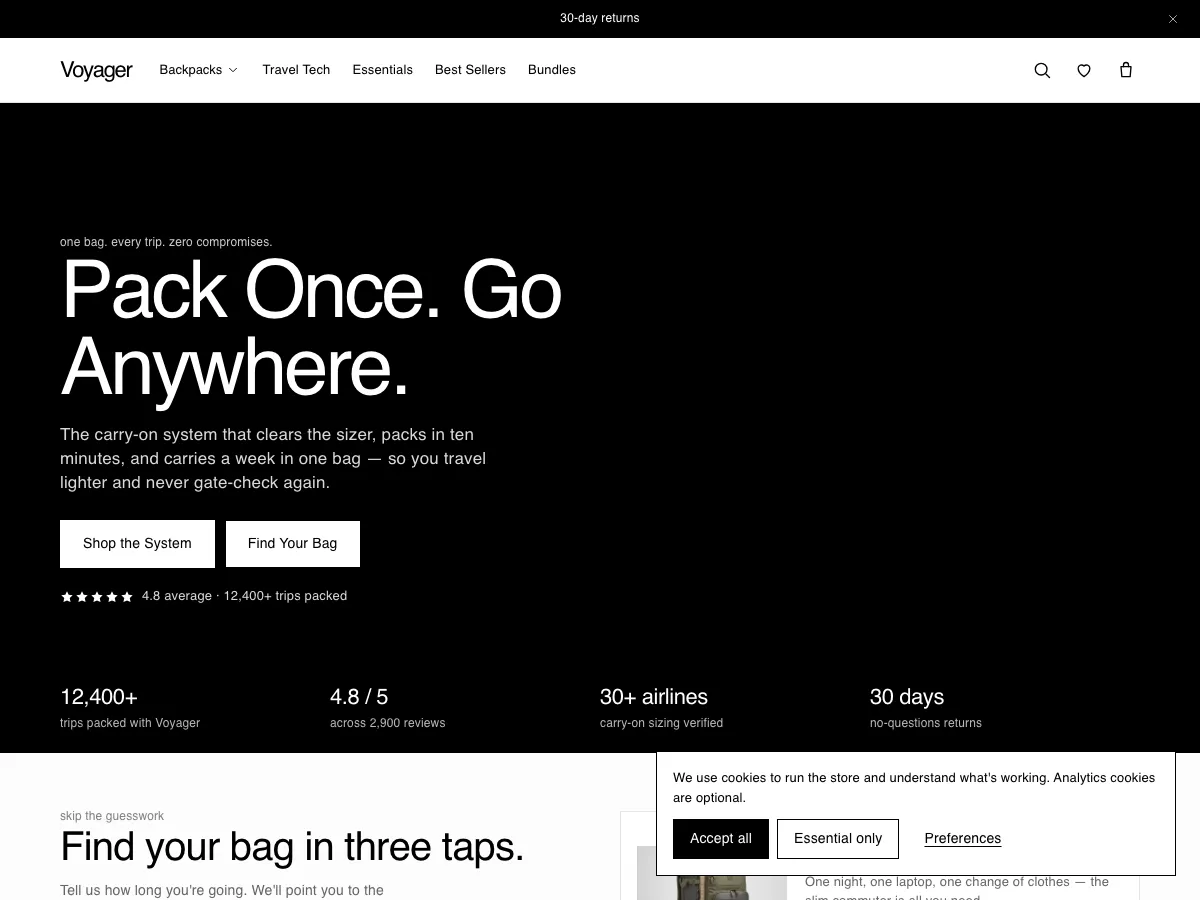
Storefronts we designed and built, across supplements, fragrance, health, wellness and skincare.
All 35 projectsFour engagements, measured before and after. What changed, why it changed, and by how much.
All case studiesDiagnosis, design and development from one studio — so the recommendation and the build never disagree.
All five services58 real Shopify stores torn down page by page, scored, and shown beside the version we would build. Free to watch.
Browse all teardownsSix conversion-first themes, each built for one industry’s buying journey. Zero required apps, $300, one licence.
Compare all sixBundles, upsells, filters, finders, size guides, back-in-stock. Six apps, six subscriptions, six script tags you cannot style or measure. We build the ones that matter into your theme, where they belong.
Six common apps, at published pricing. None of them can be styled to match your store, and each one adds a script to every page.
Some apps are worth renting — reviews and subscriptions own data we have no business rebuilding. The point is that the decision should be made deliberately rather than by default.
Everything here has shipped inside the six themes we sell — which is the reason we can quote it honestly rather than optimistically.
Reorderable, per-section settings, designed empty states. Nobody files a ticket to change a headline.
Scent notes, ingredient lists, fit charts, dosage — modelled once, then powering cards, filters, finders and structured data.
Multi-step finders that read intent and return three confident answers instead of forty products.
Variant behaviour, bundles, pairing, free-shipping thresholds and the reassurance that belongs beside the button.
Faceted, fast, crawlable — built on Shopify search rather than a third-party index that goes stale.
Product, Offer, FAQ and Breadcrumb schema emitted from real fields, so search and AI answers stay accurate.
Subscriptions, reviews, ERP and fulfilment wired properly, with fallbacks when they fail.
Removing what the app stack left behind: duplicate scripts, blocking assets, layout shift.
Custom code that only its author can maintain is a liability dressed as an asset. These are the constraints that stop that happening.
Built on OS 2.0 primitives — sections, blocks, metafields — not on hacks that break at the next platform release.
Everything configurable is exposed as a setting. Hardcoded copy is a defect, not a shortcut.
If an integration is down, the section hides rather than showing a broken shell. Empty states are designed, not discovered.
A written guide for the parts that are not self-evident, so the next developer is not reverse-engineering your store.
If we build it, it does not carry a subscription. The exception is where an app genuinely owns the data — reviews, subscriptions.
Custom work is judged against the baseline the audit set, the same as a rebuild.
The clearest evidence that this works is that we sell it. Every theme in our catalogue ships finders, filters, upsells, bundles and honesty-gated proof built in — no subscriptions, no injected scripts. The same components are what we build into client stores.
The same components, measured in a client store: Vexivo: Reduced Bounce Rate by 28%. Every build is judged against the baseline the audit set — watch the published audits.
All three are quoted from a written brief with defined edge cases. If discovery proves the brief wrong, we re-quote before continuing.
One piece of functionality, specified and shipped.
Audit the stack, rebuild what should never have been rented.
A standing allocation for stores that ship continuously.
Including the cases where renting is the right answer and we will tell you so.
Sometimes you should rent it — reviews and subscriptions own data we have no business rebuilding. But most conversion apps inject scripts you cannot style, cannot measure and cannot remove, and charge monthly forever. Six typical apps cost $2,000–$5,700 a year. If the functionality is core to how your store sells, owning it is cheaper by year one and faster on every page load.
Not if it is built on OS 2.0 primitives. We use sections, blocks and metafields rather than Liquid hacks or DOM injection, which is exactly why the themes we sell have shipped updates without breaking anyone. Anything genuinely fragile gets flagged before it is quoted.
You own the code and the documentation. There is no license key, no hosted component and no dependency on us staying engaged. That is the difference between custom development and a bespoke app.
Usually, and we will read it first and tell you honestly whether extending it is cheaper than replacing it. Building on a foundation we would not have chosen is sometimes the right call; pretending it is fine when it is not costs you twice.
From a written brief with defined edge cases. Fixed price, fixed scope. If discovery reveals the brief was wrong, we re-quote before continuing rather than silently absorbing it or silently billing it.
Yes, and it is often the highest-return custom engagement — most Shopify stores are carrying three or four abandoned app scripts. We measure first, so you see what the work bought.
Eight recurring shapes: sections your merchandisers can use without filing a ticket; metafield-driven product data that powers cards, filters, finders and structured data from one model; guided selling and multi-step finders; buy box and cart logic — variants, bundles, pairing, thresholds; faceted search and filtering built on Shopify search so it stays crawlable; structured data and feeds; third-party integrations wired with fallbacks; and performance work that removes what the app stack left behind.
The recurring six: product bundles ($29–$79 a month), upsell and cross-sell ($49–$99), product filters ($19–$59), finders and quizzes ($39–$149), size and fit guides ($15–$39), and back-in-stock ($19–$49). Each is rebuilt natively — bundle logic priced by real automatic discounts, pairing rules driven by your own metafields, sizing as structured data. The exception is where an app genuinely owns the data, like reviews and subscriptions.
Three. A single build, one to three weeks: one piece of functionality scoped from a written brief, built in your theme, documented, with a thirty-day defect window. An app-stack replacement, three to six weeks: a stack audit with its real monthly cost, the functionality rebuilt natively, data migrated rather than abandoned, and performance measured before and after. Or retained development — a fixed monthly allocation with a priority queue for stores that ship continuously.
Six, and they are the same ones our themes are held to: it survives Shopify updates because it is built on OS 2.0 primitives; it survives your next merchandiser because everything configurable is a setting; it degrades honestly when an integration fails; it is documented where it matters; it carries no required app subscriptions; and it is measured after launch against the baseline the audit set.
We'll tell you what is worth owning, what is worth keeping, and what is quietly slowing every page down. It comes back inside the free audit.